Harbour Towage in Greek Ports
Every vessel calling at a Greek port depends on harbour towage, and in a network of more than 50 port authorities handling some of the heaviest maritime traffic in Europe, a delayed or poorly executed tow has direct consequences for port call efficiency, schedule, and compliance. Greece sits at the crossroads of the Eastern Mediterranean, the Aegean, and the Black Sea approaches, making its ports among the most operationally demanding environments for tug operators in the region. The provider you use determines how that pressure is absorbed.
What Harbour Towage Involves
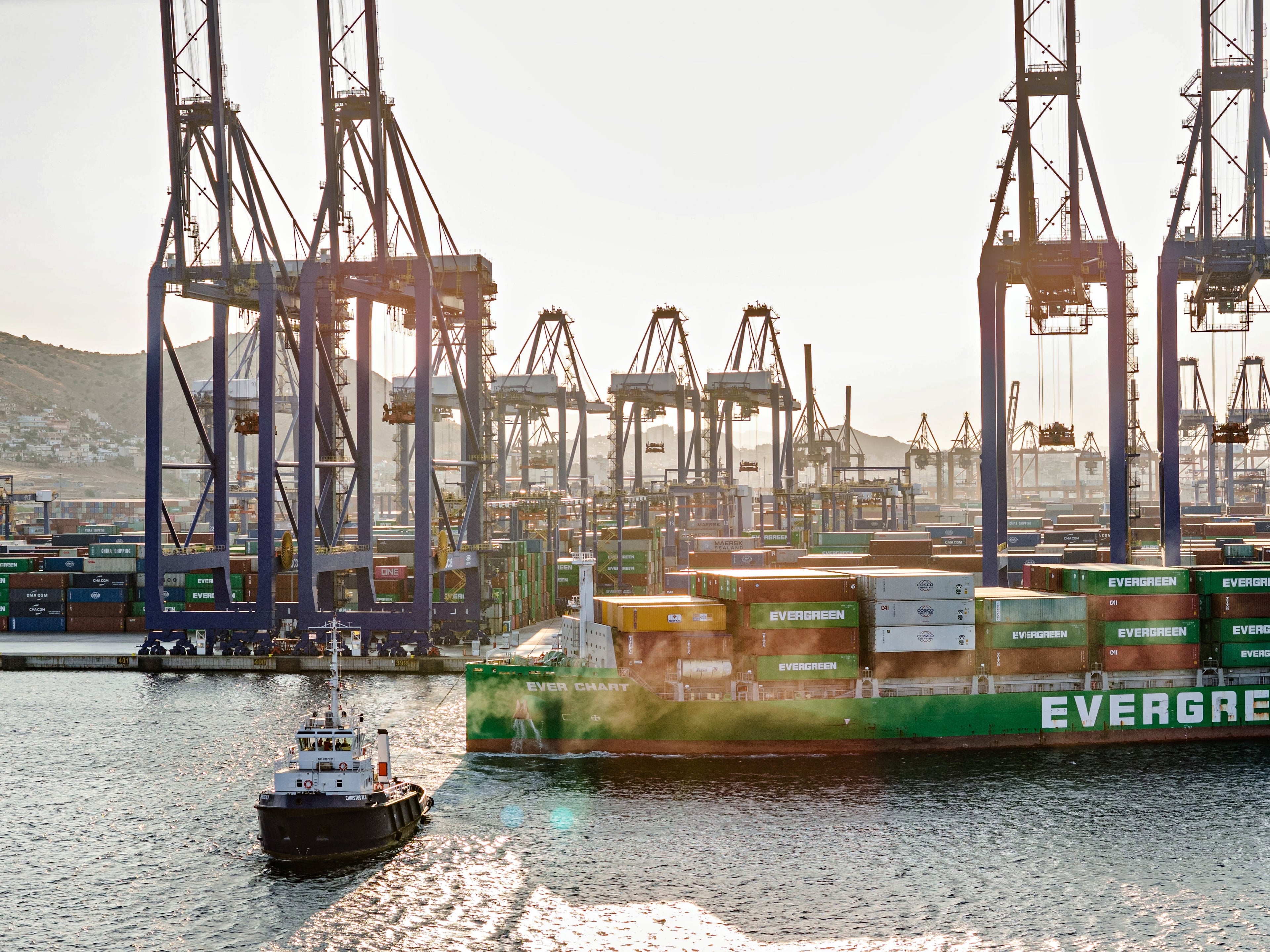
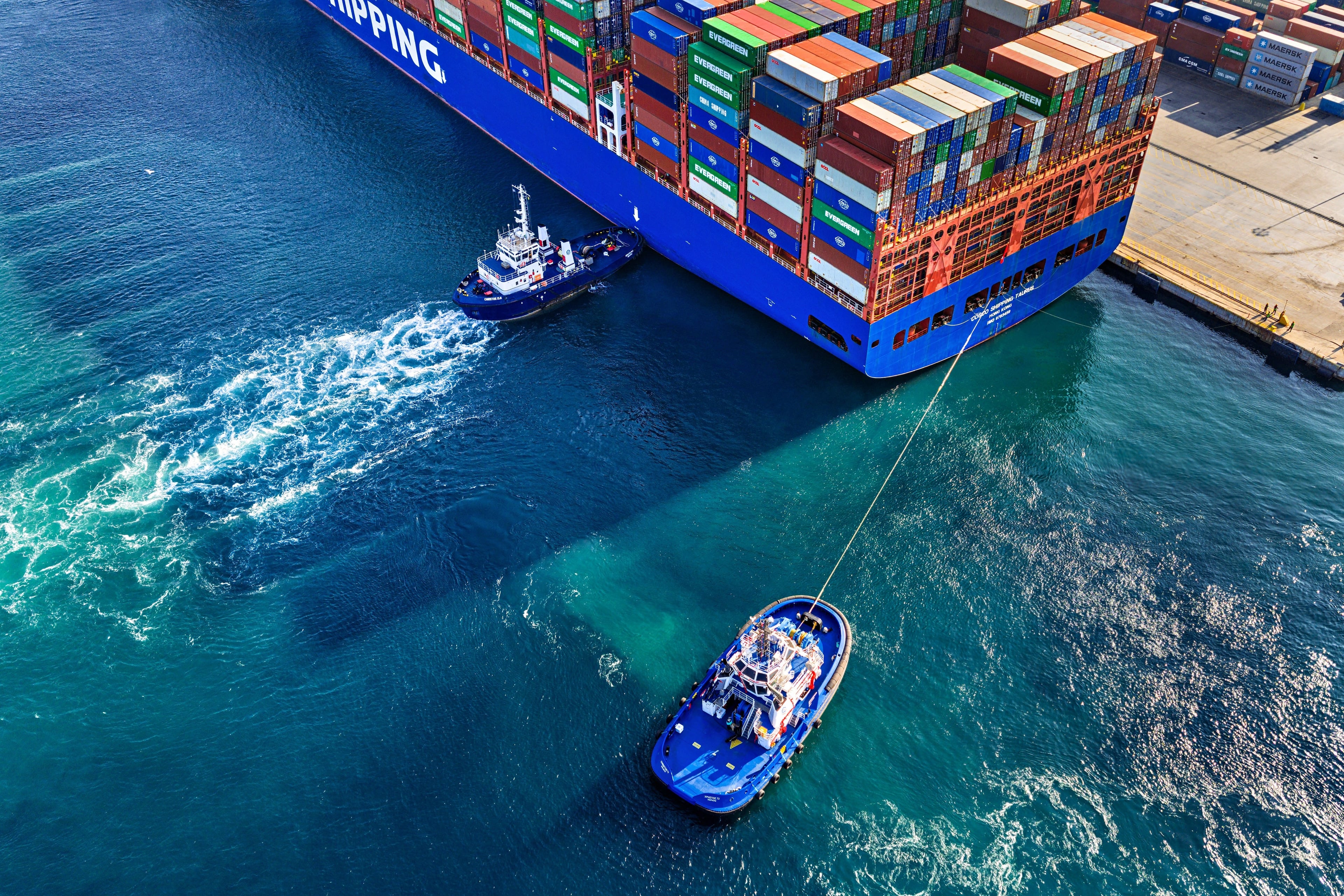
Harbour towage is the controlled movement of a vessel within confined port waters using one or more tugboats. It is not limited to physically pulling a ship from one point to another. It covers the full scope of maneuvering support required to move a vessel safely from open water to berth and back.
Standard harbour towage operations include:
Berthing and unberthing assistance for all vessel types
Escorting through channels and confined fairways
Mooring assistance at terminals and anchorages
Firefighting support using tugs equipped with FiFi1-class systems
Stand-by services for vessels at risk or undergoing critical operations
The tug's bollard pull, propulsion type, and crew competence determine the level of control achievable. For large vessels including container ships, cruise liners, tankers, and Ro-Ro ferries, tug selection is a technical decision made in coordination with the port authority and pilot.
Why Greek Ports Require Specialist Operators
Greece has more than 50 port authorities. Many handle vessel classes that require high-bollard-pull tugs and experienced crews capable of operating in tight water alongside complex terminal infrastructure. Piraeus, the largest port in Greece and one of the largest in the Mediterranean, processes thousands of vessel calls annually. Thessaloniki serves as the primary gateway for northern Greece and the wider Balkans corridor.
Both require around-the-clock towage availability with response capability on short notice. Operators serving these ports must maintain vessels to classification society standards, comply with national and international maritime regulations, and demonstrate readiness across all weather conditions.
IGMAR Towage Fleet and Capabilities
IGMAR Towage is the most experienced privately owned tug fleet in Greece, operating since 1976. With 29 vessels and bollard pull capacity of up to 75 tonnes, the fleet covers harbour tugs, Anchor Handling Tugs (AHTs), and multi-purpose vessels configured for towing, firefighting, and pollution response. Operations are managed on a 365/24 basis, crewed by qualified tug masters, officers, and marine personnel with deep familiarity with Greek port conditions.
The operational scope covers:
Harbour and ocean towage across Greek ports and international waters
Offshore terminal support for onshore and offshore structures
AHT and OSV operations for positioning and personnel transport
Pollution containment using boom-equipped vessels
Compliance and Certification
All IGMAR Towage operations are conducted under an Integrated Safety, Quality and Environmental Management System (SQEMS) certified to ISO 9001:2015, ISO 14001:2015, and OHSAS 18001:2007. The company holds an ISM Document of Compliance issued by the International Shipping Bureau. Operations are approved by flag state administrations, classification societies, and Port State Control Officers worldwide.
This certification framework defines the procedures, training standards, and audit cycles that govern every tow and provides the traceability that shipowners, charterers, and underwriters require.
Selecting a Towage Provider in Greece
The relevant criteria when evaluating harbour towage providers are fleet size and bollard pull range, 24-hour operational availability, certification status, crew qualification records, and demonstrated track record across vessel types. A provider with limited fleet depth cannot guarantee coverage across simultaneous port calls or respond rapidly to unscheduled demands.
While our operational roots span five decades, IGMAR's modern fleet is designed for the future of maritime logistics. This unique combination of inherited expertise and next-generation agility cannot be replicated by other providers.
Frequently Asked Questions
What is harbour towage and when is it required?
Harbour towage is tug assistance provided to vessels maneuvering within port limits. It is required during berthing, unberthing, channel transit, and mooring operations, and is mandatory at most Greek ports for vessels above a defined gross tonnage threshold. The port authority and pilot determine the number and type of tugs required for each operation.
What bollard pull is needed for large vessel towage in Greek ports?
Bollard pull requirements depend on vessel size, displacement, and environmental conditions at the port. For large tankers, container ships, and cruise liners, tugs in the range of 50 to 75 tonnes bollard pull are typically required. IGMAR Towage operates vessels with bollard pull of up to 75 tonnes.
How is harbour towage different from ocean towage?
Harbour towage covers vessel movement within port limits in confined waters requiring precise maneuvering over short distances. Ocean towage covers long-distance transportation of vessels, rigs, platforms, or barges across open sea. The two services use different vessel types, operational procedures, and commercial terms.
Are harbour towage services available around the clock in Greek ports?
IGMAR Towage maintains 365/24 operational readiness across Greek ports. The operations office is staffed continuously by experienced tug masters and engineers who manage scheduling, dispatch, and real-time coordination with port authorities and pilots.
What certifications should a harbour towage provider hold?
A compliant provider should hold ISO 9001 for quality management, ISO 14001 for environmental management, OHSAS 18001 or ISO 45001 for occupational health and safety, and an ISM Document of Compliance. Operations should be approved by recognized classification societies and flag state administrations.
IGMAR Towage operates across all major Greek ports with 29 vessels and bollard pull of up to 75 tonnes. Contact the operations team to discuss harbour towage coverage, scheduling, or fleet specifications.