Maritime Salvage Greece
Maritime Salvage Greece
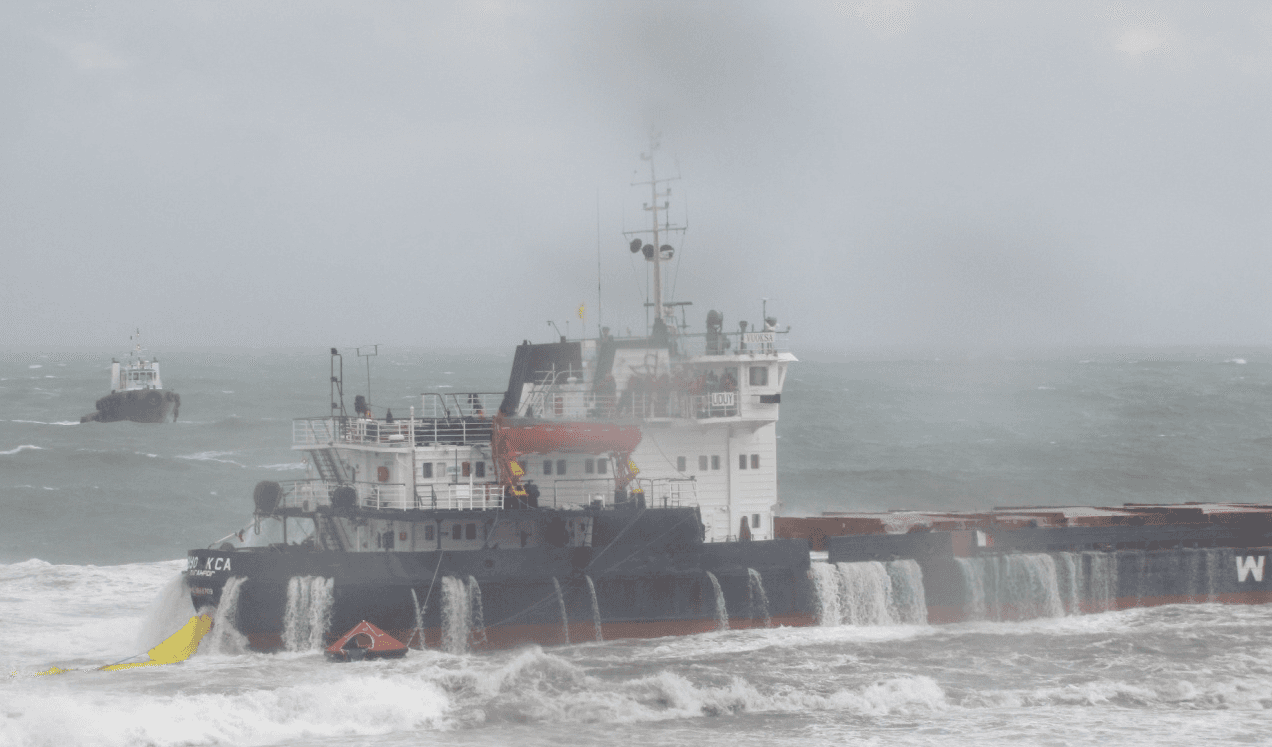
Maritime salvage in Greek waters demands immediate response, technical depth, and the operational assets to execute under pressure. IGMAR Group has built its salvage capability over more than 50 years of maritime activity, responding to incidents ranging from groundings and structural casualties to complex wreck removal operations across the Eastern Mediterranean. Where time is the first variable and failure is not recoverable, experience is the only foundation that holds.
What Maritime Salvage Requires
Salvage is not a standardised service. Every incident presents a different combination of vessel type, location, weather conditions, structural damage, cargo risk, and environmental exposure. The response must be calibrated to the specific situation, not applied from a generic procedure.
IGMAR Group approaches every salvage engagement with three priorities: protecting human life, safeguarding the vessel and cargo, and minimising environmental impact. These are not ranked sequentially. They are managed simultaneously, from the first moment of mobilisation through to final resolution.
The capability required to do this effectively includes purpose-equipped ocean-going tugs, salvage equipment maintained in a permanent state of readiness, trained crews with direct salvage experience, and a command structure capable of sound decisions under operational pressure. IGMAR Group holds all of these.
Emergency Response: 24/7 Availability
IGMAR Towage operates 24 hours a day, 365 days a year. When a distress call is received, response begins immediately. The fleet is positioned across Greek ports and the Eastern Mediterranean, enabling rapid deployment to casualty locations across the region.
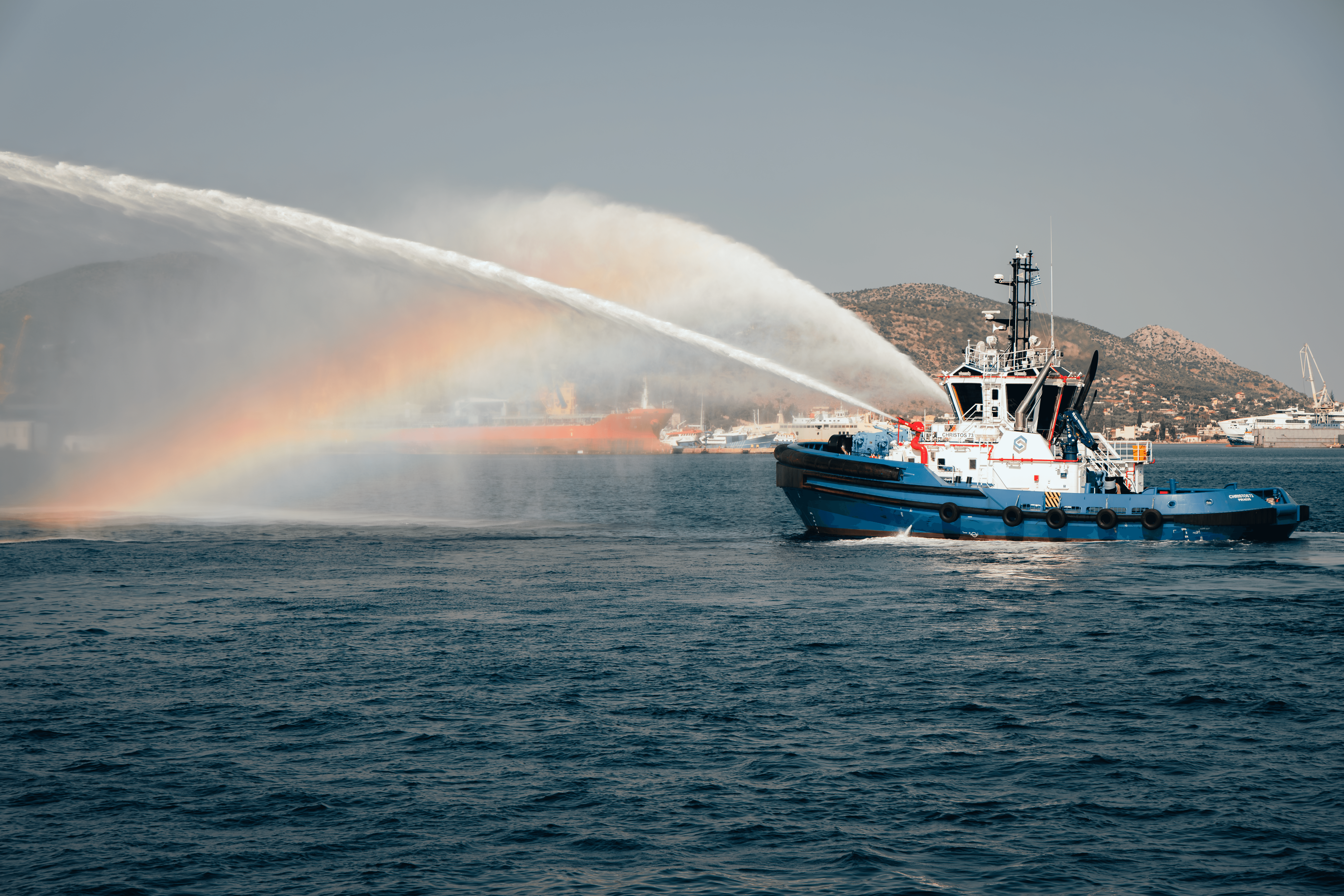
The tugs assigned to emergency response are permanently fitted with salvage gear. This includes high-capacity fire pumps, towlines rated for open-sea operations, dewatering equipment, and external firefighting systems for managing shipboard fires during rescue and towing operations. Mobilisation does not depend on assembling equipment. It depends on the crew being ready and the vessel being fit.
Salvage Operations: Scope and Capability
IGMAR Group is equipped to manage the full operational range of maritime salvage:
Assistance towage following machinery failure, loss of propulsion, or steering casualty
Refloating operations for grounded or stranded vessels in coastal and port approaches
Fire response at sea and at berth, using vessels equipped with external firefighting systems
Emergency towing of disabled vessels to safe anchorage or port of refuge
Lightering support to reduce vessel draft prior to refloating
Post-casualty towing to shipyard for damage assessment and repair
Each operation is coordinated with the relevant maritime authorities, the vessel's P&I club, and the owner's salvage coordinator from the point of first contact.
Wreck Removal in the Eastern Mediterranean
IGMAR Group has developed specific expertise in wreck removal, with a track record of complex operations in the Eastern Mediterranean built over decades. Wreck removal sits at the intersection of salvage engineering, environmental compliance, and logistical execution. It requires detailed pre-operation assessment, specialist equipment, and the capacity to manage prolonged engagements in variable sea and weather conditions.
The Group's wreck removal capability covers:
Full pre-operation survey and structural assessment
Cutting, lifting, and refloating techniques appropriate to the vessel's condition
Debris removal and seabed clearance to regulatory standards
Environmental containment and oil recovery throughout the operation
Coordination with port authorities, flag state, and classification society surveyors
Integration with IGMAR Shipyards
A salvage operation does not end when the vessel reaches port. Post-casualty assessment, structural repair, and return to service require shipyard capability that most salvage operators cannot provide directly.
IGMAR Group operates shipyard facilities in Salamina and Perama, giving owners and operators a single coordinated pathway from emergency response through to repair completion. Vessels brought in under salvage can move directly into drydocking, structural assessment, and repair without the delays and handover risks of transferring between unrelated contractors. The same organisation that responded to the casualty manages the recovery.
Certifications and Compliance
IGMAR Group's salvage and emergency response operations are governed by the same integrated Safety, Quality and Environmental Management System that covers the full Group. Certifications include ISO 9001:2015 Quality Management, ISO 14001:2015 Environmental Management, OHSAS 18001:2007 Occupational Health and Safety, and an ISM Document of Compliance issued by the International Shipping Bureau.
All salvage operations are conducted in compliance with the IMO Salvage Convention (LOF 2020 and related frameworks) and applicable Greek and EU maritime law. The Group works directly with P&I correspondents, Lloyd's agents, and classification society surveyors throughout every operation.
Frequently Asked Questions
What types of maritime emergencies does IGMAR Group respond to?
IGMAR Group responds to the full range of maritime casualties including vessel groundings, machinery failure, fire at sea, structural casualties, and vessels in distress requiring emergency towage. The response is available 24 hours a day, 365 days a year, with tugs permanently equipped with salvage gear and firefighting systems.
Does IGMAR Group operate under the Lloyd's Open Form (LOF)?
IGMAR Group is familiar with Lloyd's Open Form salvage contracts and works within the standard salvage frameworks used by P&I clubs and underwriters. The appropriate contractual framework is agreed at the point of mobilisation with the vessel owner and their representatives, in line with the urgency and complexity of the situation.
What is the difference between salvage and wreck removal?
Maritime salvage focuses on the rescue of a vessel and its cargo from immediate danger, typically under time pressure. Wreck removal refers to the planned operation to remove a sunken or stranded vessel after the immediate emergency has passed, often driven by navigational hazard or environmental compliance requirements. IGMAR Group is equipped to deliver both.
How does IGMAR Group coordinate with P&I clubs during salvage operations?
IGMAR Group establishes direct communication with the vessel owner's P&I club correspondent from the point of first contact. The Group provides real-time operational updates, documentation of decisions taken, and formal casualty reporting to support the club's assessment and coverage process throughout the operation.
Can IGMAR Group manage the full process from salvage to shipyard repair?
Yes. IGMAR Group operates salvage and emergency response through IGMAR Towage and shipyard repair through IGMAR Shipyards, with facilities in Salamina and Perama. Vessels recovered under salvage can proceed directly into drydocking, structural assessment, and repair under a single coordinated operational framework.
IGMAR Group's salvage and emergency response capability is built on more than 50 years of continuous maritime operations in Greek waters and the Eastern Mediterranean. To discuss emergency response arrangements, wreck removal requirements, or post-casualty repair, contact the IGMAR Group operations team.