Ocean Towage Services
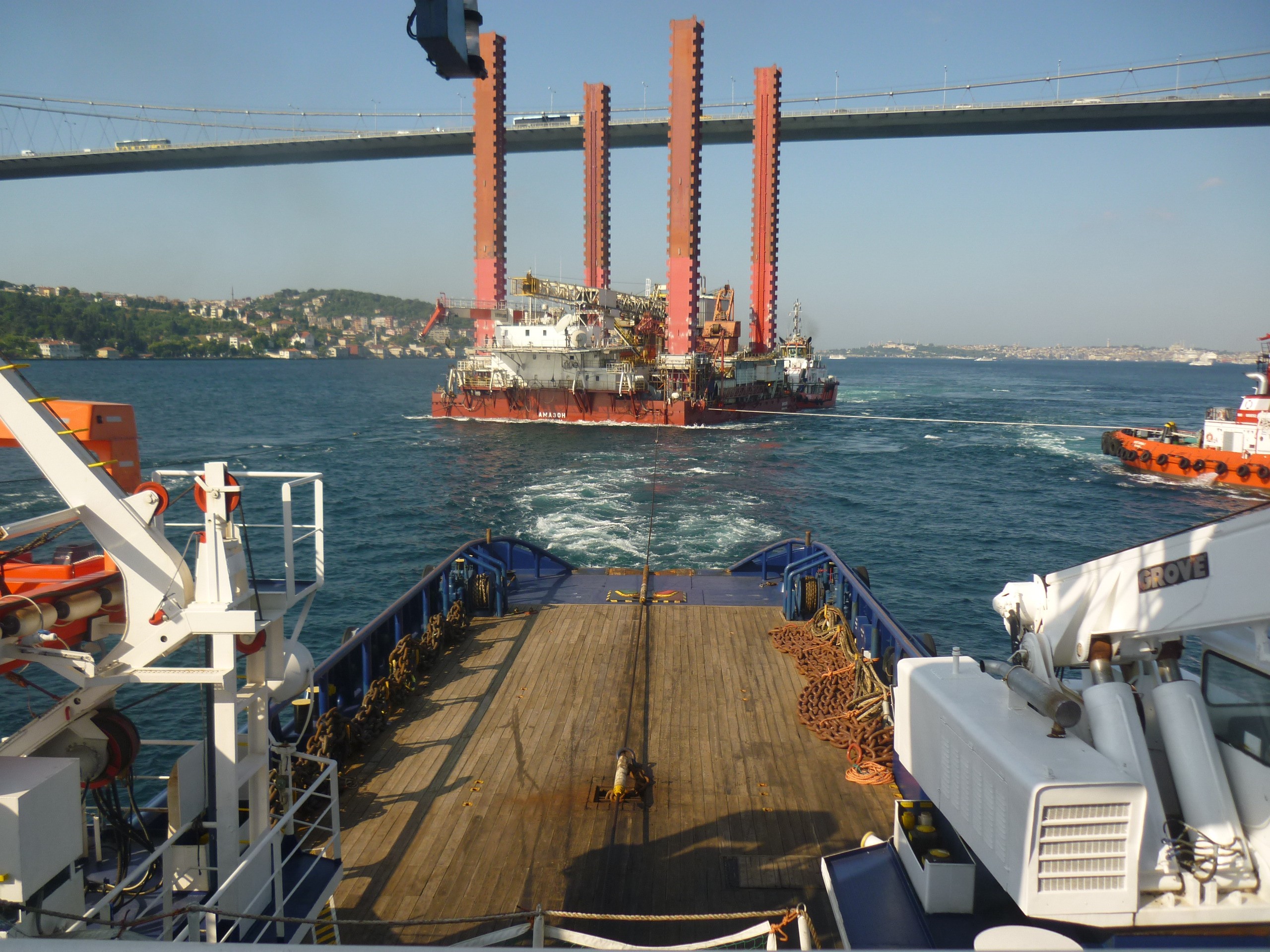
Ocean towage is where the consequences of a wrong decision compound over thousands of nautical miles. Moving a drilling rig from one field to another, repositioning a floating dock across the Mediterranean, or recovering a vessel in distress at sea requires a specific class of tug, a crew with deep-sea experience, and a voyage plan reviewed by a marine warranty surveyor before a single line is connected. For operators sourcing ocean towage services, the difference between providers is not marginal. It is the difference between risk and certainty. IGMAR Group combines next-generation operational agility with five decades of expertise to execute the most demanding tows in the Eastern Mediterranean and beyond.
How Ocean Towage Differs from Harbour Towage
Harbour towage is a precision operation measured in minutes and metres. Ocean towage is a sustained, high-exposure exercise measured in days and nautical miles. The distinction goes well beyond distance.
Key operational differences include:
Tug specification: ocean tugs carry dedicated deep-sea towing gear including main and spare towing lines, emergency equipment, and extended fuel and provision capacity
Voyage approval: every ocean tow requires approval from classification societies, flag state administrations, and the relevant maritime authority, with towage plans reviewed by marine warranty surveyors
Weather and routing: ocean tows are planned around meteorological forecasts, routing studies, and tow resistance calculations specific to the tow object
Crew endurance: ocean tug crews operate on extended rotations at sea, with communication and decision-making managed from a shore operations centre
What Can Be Towed
An ocean tug fleet with sufficient bollard pull and the right towing configuration can handle virtually any category of floating object. The defining factors are the tow's displacement, windage, drag coefficient, and the sea conditions on the intended route.
Common ocean tow categories include:
Drilling rigs and jack-up platforms
Oil production platforms and FPSOs
Transport barges and cargo barges
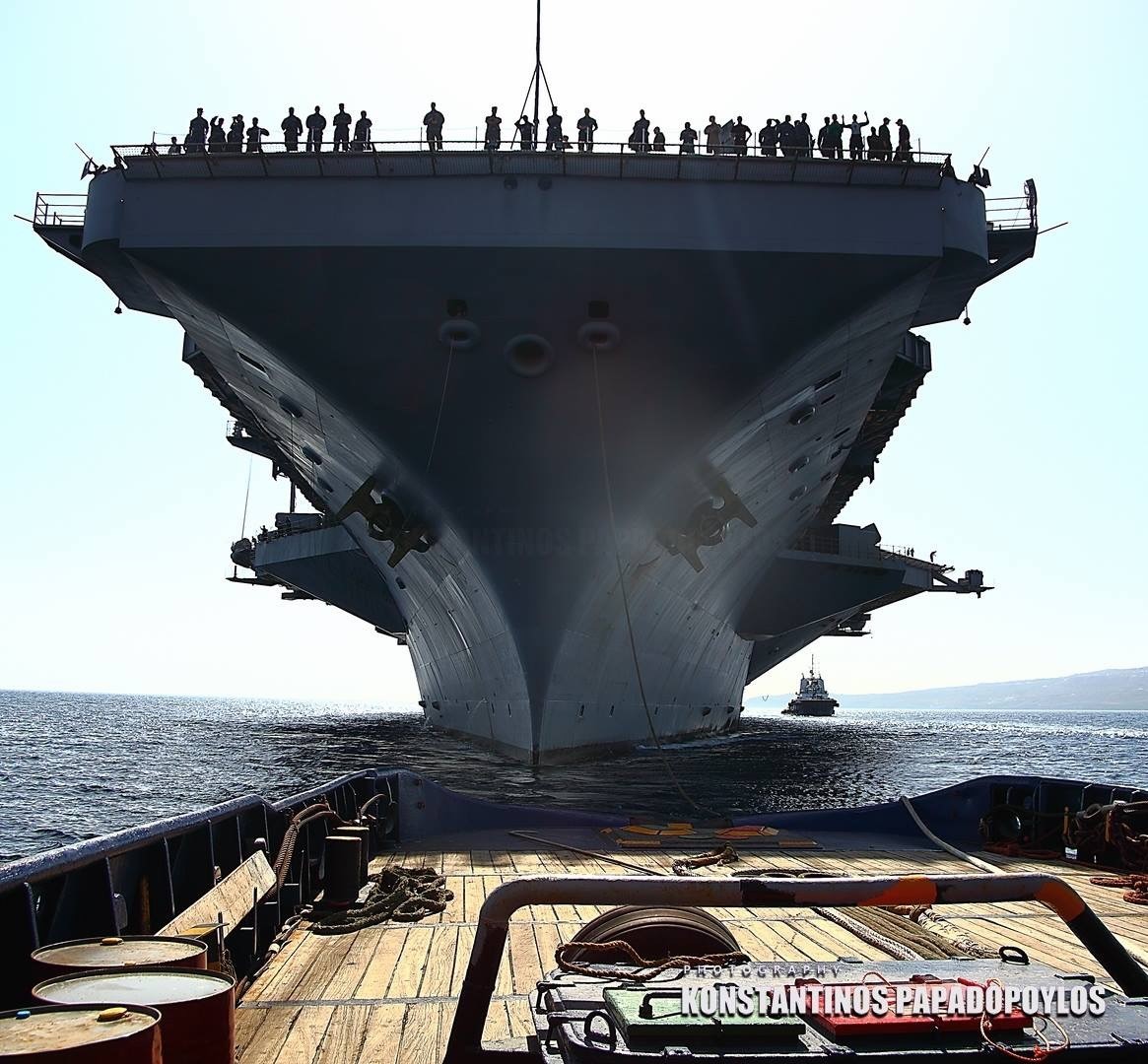
Tankers and large commercial vessels in transit or under repair
Floating docks and cranes
Vessels under salvage or emergency tow
Each category requires a different approach. A jack-up platform has entirely different tow geometry and resistance characteristics than a loaded barge or a semi-submersible. Voyage planning accounts for this from the first calculation.
Marine Warranty and Regulatory Requirements
Every ocean tow is subject to regulatory oversight at multiple levels. The tow plan must be reviewed and approved by a marine warranty surveyor (MWS) acting on behalf of the underwriter before the operation proceeds. The towing vessel and tow must satisfy the requirements of the flag state and port state control authorities at departure and destination.
Classification societies including Lloyd's Register, Bureau Veritas, and DNV may impose specific requirements on the tow configuration, towline specifications, and emergency procedures. Non-compliance creates insurance voidance risk and can result in port state detention of both tug and tow. IGMAR Towage operations are conducted under procedures approved by MWS, flag state administrations, and classification societies worldwide.
IGMAR Towage Ocean Capabilities
IGMAR Towage operates ocean-capable tugs and AHTs with bollard pull of up to 75 tonnes, permanently fitted with main and spare towing gear configured for sustained deep-sea operations. The operations team maintains 365/24 availability, with mobilisation capability at short notice across the Eastern Mediterranean and globally.
Operational experience covers:
Open sea towage of all vessel and rig types
Drilling rig and offshore platform repositioning
Floating dock and crane barge transportation
Emergency and casualty tow response
AHT anchor handling and offshore positioning
Route Planning and Voyage Execution
Effective ocean towage begins before departure. A thorough pre-voyage assessment covers the tow object's structural condition, attachment points, and freeboard; towing gear specifications and safety factors; meteorological forecasting for the proposed route and season; emergency procedures and contingency ports; and communication plans for the duration of the voyage.
During the voyage, the tug master monitors towline tension, tow behaviour, and weather continuously. Any deviation from the approved plan requires documented decision-making and, depending on the extent of the deviation, notification to the warranty surveyor or underwriter.
Frequently Asked Questions
What is the difference between ocean towage and coastal towage?
Ocean towage covers deep-sea and transoceanic operations in open water beyond coastal limits. Coastal towage refers to tows conducted within a defined coastal zone, subject to different regulatory requirements and tug specifications. The distinction affects insurance scope, warranty survey requirements, and the bollard pull and gear specification of the towing vessel.
What bollard pull is needed for ocean towage of a drilling rig?
Bollard pull requirements depend on the rig type, its displacement and windage area, and the environmental conditions on the route. Large semi-submersible rigs may require a single tug of significant bollard pull or multiple tugs working in tandem. IGMAR Towage operates ocean tugs with bollard pull of up to 75 tonnes, suitable for a wide range of offshore tow categories.
How long does an ocean tow take?
Duration depends on route distance, tow resistance, achievable tow speed, and weather conditions. A tow from Piraeus to a North African port may take several days. A Mediterranean to Atlantic transit could take two to three weeks. All voyages are planned against realistic speed assumptions derived from tow resistance calculations specific to the tow object.
What is a marine warranty surveyor and why are they involved?
A marine warranty surveyor (MWS) is appointed by the underwriter to review and approve the towage plan before the operation proceeds. They assess the tug's capability, towing gear specification, tow configuration, and emergency procedures. Their approval is a condition of the insurance policy. Without it, the policy may not respond in the event of a loss.
Can IGMAR handle emergency ocean tows at short notice?
IGMAR Towage maintains round-the-clock operational readiness with vessels positioned across the Eastern Mediterranean. Emergency casualty tows can be mobilised at short notice. The operations team coordinates with the relevant authorities, warranty surveyors, and the client to establish an approved tow plan as rapidly as the situation permits.
IGMAR Towage covers ocean towage across the Eastern Mediterranean and globally, with a fleet of AHTs and ocean tugs with bollard pull of up to 75 tonnes. Contact the operations team to discuss route, tow specification, and scheduling.