Ship Repair Eastern Mediterranean
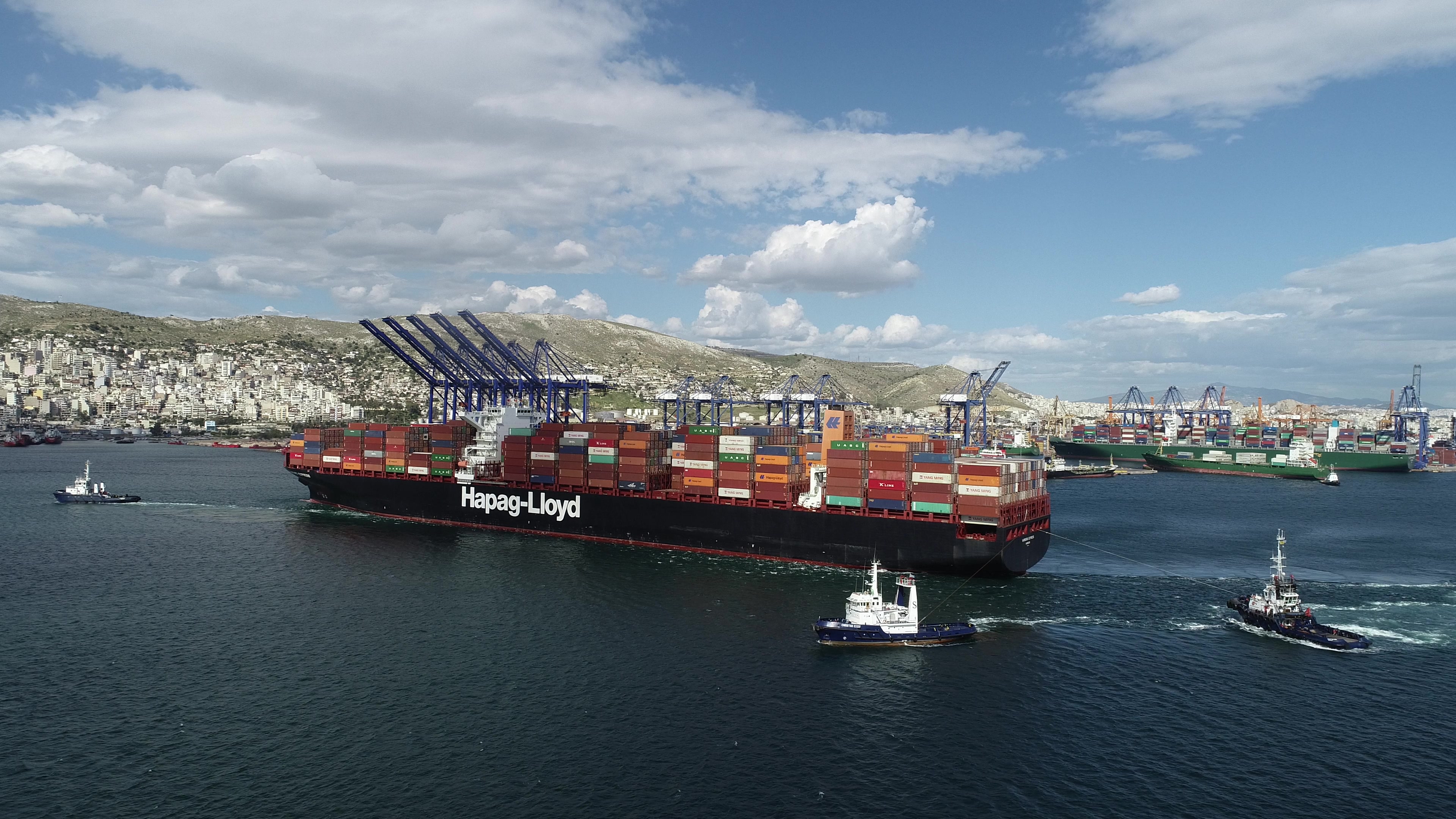
For ship repair in the Eastern Mediterranean, the choice comes down to a routing decision that most technical managers make only once they have already lost time. Greek yards in the Piraeus cluster offer something Turkish yards cannot: direct access from the Aegean and Suez Canal corridor without requiring Bosphorus or Dardanelles transit. For a vessel already on a Mediterranean route, calling at IGMAR Shipyards means zero deviation. Bypassing congested transit chokepoints is a direct saving of off-hire days and operational friction.
The Eastern Mediterranean Repair Landscape
Ship repair capacity in the Eastern Mediterranean is concentrated in Greece, Turkey, and Egypt. While the wider region offers various commercial repair hubs, many come with hidden routing constraints. Vessels approaching from the Suez Canal or Aegean often face complex straits and congested transit chokepoints, adding waiting time that directly impacts the bottom line.
Greece's Piraeus cluster, which includes the repair zones of Perama and the island of Salamina, sits within the main shipping lane. A vessel arriving from the Suez Canal or departing for the Western Mediterranean calls at a Greek yard without leaving its route.
What Ship Repair Services Involve
Commercial ship repair covers a wide range of technical interventions, from routine dry-docking and hull maintenance to complex structural work, machinery overhaul, and class renewal. The core scope of a repair cycle typically includes:
Hull inspection, cleaning, and antifouling paint application
Steel renewal and plate replacement
Propeller and shaft inspection, repair, and alignment
Mechanical and engine room maintenance
Electrical and automation system overhaul
Class survey completion and certification renewal
Beyond routine maintenance, yards with full technical departments handle structural conversions, accommodation refits, piping renewals, and Non-Destructive Testing (NDT) required by classification societies. The quality of in-house expertise determines how efficiently additional scope is managed without disrupting the agreed programme.
IGMAR Shipyards: Salamina Facility
IGMAR Shipyards operates a fully equipped commercial repair facility on the island of Salamina in the Piraeus repair cluster. The yard covers more than 90,000 square metres, with dedicated zones for hauling, docking, repair, and extended vessel stays. Key infrastructure:
Capacity to accommodate more than 30 vessels of varying lengths up to 100m, with approximately 30 moored berths
820-tonne Mobile Boat Hauler for vessels up to 80m in length
5,000-tonne floating dock, 100m in length, 28.6m beam
300-tonne Mobile Boat Trolley for yard transfers
Kamag Technology trailers for vessels up to 100m and 2,500 tonnes displacement
The in-house technical department is staffed by naval architects, mechanical engineers, electrical engineers, safety engineers, and a safety chemist. The yard issues gas-free certificates, conducts ultrasonic thickness measurements, and performs NDT to the standards required by major classification societies.
Technical Workshops and Infrastructure
A repair operation is only as capable as its workshop infrastructure. IGMAR Shipyards maintains fully equipped workshops covering:
Machine shop with CNC cutting machines guided by specialist software
Plate shop and pipe shop for steel and piping fabrication
Electrical shop for system diagnostics and repair
Carpentry workshop for accommodation and interior work
Welding capability across MIG, MAG, TIG, and MMA methods
Supporting infrastructure includes compressed air supply, firefighting lines, ventilation systems, and electrical supply across multiple voltage configurations. Tower cranes, forklifts, cherry pickers, and telescopic cranes cover all lifting requirements within the yard.
Certifications and Compliance
IGMAR Shipyards operates under an Integrated Safety, Quality and Environmental Management System certified to ISO 9001:2015, ISO 14001:2015, and OHSAS 18001:2007. The QMS is certified by ABS Quality Evaluations. The EMS and OHSAS certifications are held by LRQA. These certifications govern the procedures, audit frequency, and documentation standards applied to every project.
Frequently Asked Questions
What types of vessels does IGMAR Shipyards handle in Salamina?
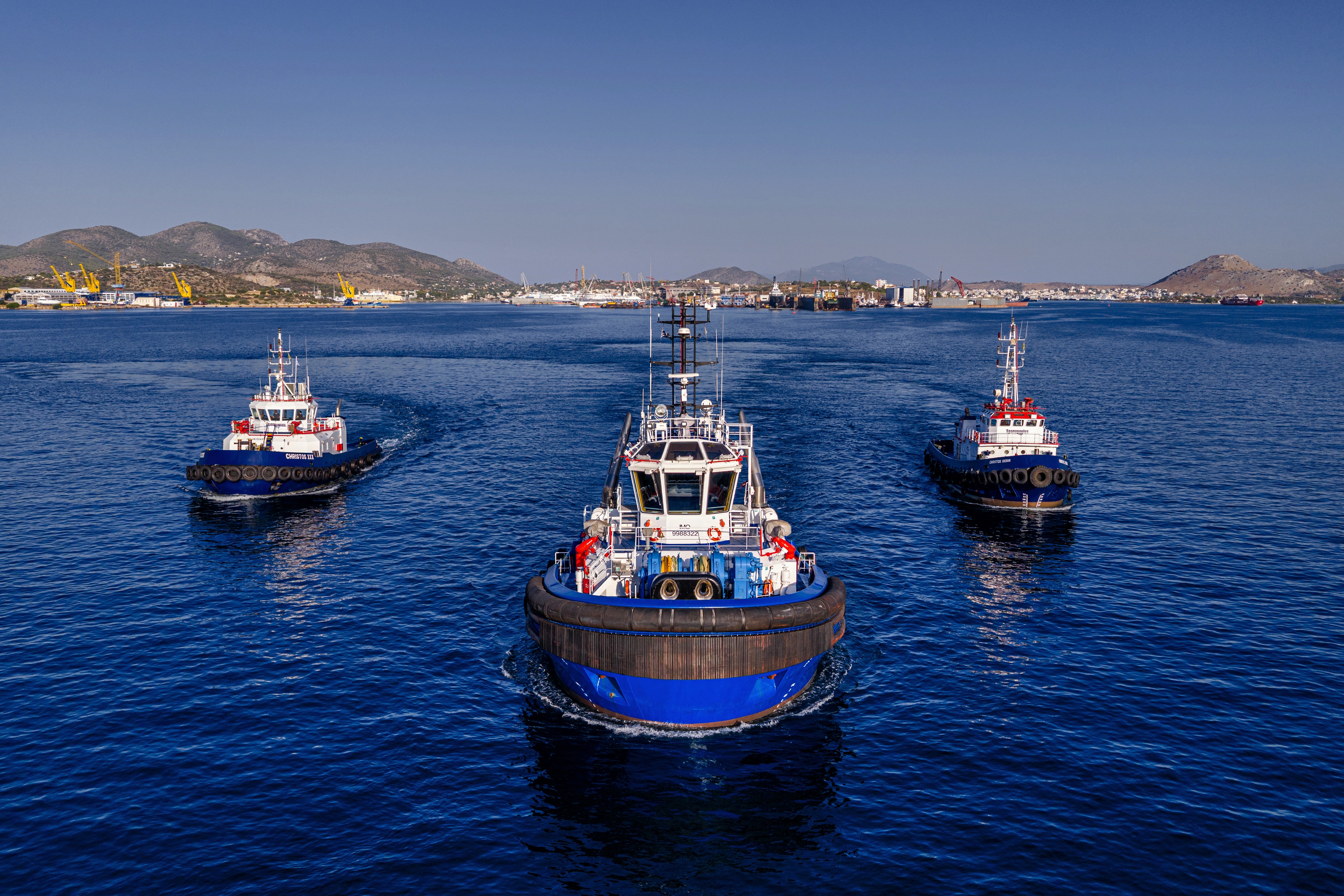
The Salamina yard handles commercial vessels up to 100m in length including tugboats, workboats, barges, cargo vessels, and other floating equipment. The 5,000-tonne floating dock accommodates a wide range of displacement classes. For vessels beyond the standard parameters, the yard discusses configurations on a project basis.
What is the strategic advantage of choosing Greek yards for Eastern Mediterranean ship repair?
Greek yards in the Piraeus cluster offer direct port access from the Aegean and Mediterranean routes without the need to navigate complex straits or congested transit zones. While other regional hubs may focus on high-volume processing, IGMAR Shipyards focuses on operational efficiency. When evaluating project costs, technical managers choose IGMAR because the combination of zero route deviation, zero transit waiting time, and specialized in-house execution results in significantly lower total off-hire costs.
What classification societies does IGMAR Shipyards work with?
IGMAR Shipyards coordinates with all major classification societies. The in-house technical team works directly with class surveyors during scheduled and unscheduled surveys, dry-docking inspections, and certification renewals, managing documentation and survey sequencing to avoid project delays.
Can IGMAR Shipyards handle emergency repairs?
Yes. The yard is equipped and staffed to respond to unscheduled repair demands. For vessels requiring emergency drydocking or structural repair following a casualty, IGMAR Shipyards can assess vessel condition, mobilise the relevant technical resources, and coordinate with the classification society surveyor to restore seaworthiness as efficiently as the damage scope permits.
What is the typical turnaround for a routine dry-docking at IGMAR Shipyards?
Turnaround depends on the agreed repair specification. Routine dry-docking including hull cleaning, antifouling, underwater inspection, and class survey can be completed within a few days to two weeks. More extensive structural or machinery work extends the schedule accordingly.
IGMAR Shipyards in Salamina serves fleet operators and technical managers across the Eastern Mediterranean with full commercial repair capability, in-house technical expertise, and a certified quality management system. Contact the shipyard team to discuss scheduling, facility capacity, and repair scope.